HFSS rules are changing - but first, this decides if they even apply to you...
·
4 min

On 5 January 2026, the UK introduced new restrictions on paid online advertising for certain “less healthy” food and drink products.
Sounds dramatic… but here’s the part most hospitality businesses didn’t realise:
If your business has fewer than 250 employees, these restrictions don’t apply to you.
That employee threshold is the line in the sand. Many independent restaurants, cafés, pubs and small groups fall under it, which means you can continue running paid ads for your food in the same way. Larger groups (and franchises tied to big systems) are more likely to be in scope.
So before you panic, do this first:
Check your headcount. That one number changes everything.
If you are over the threshold (or part of a larger group structure), that’s when the new rules matter, and that’s what the rest of this covers.
What’s actually changing (if you’re in scope)
The rule focuses on paid online media: so ads, boosts, promoted placements. Not your normal organic posts. And there’s no online watershed.
Also important: “payment” doesn’t just mean cash. Gifting (like free meals) can count where there’s an expectation of content. That’s why this affects hospitality creator campaigns too. Guidance around this is being shaped by the Advertising Standards Authority.
Let’s make this simple.
The two big “ohhh okay” moments
Boosting flips the switch
An Instagram post on your profile sits in the organic world, but the moment you boost it, it moves into paid advertising territory - and that’s where different rules apply. In simple terms, it helps to start thinking in two content lanes: an organic lane where you can show whatever you like, and a paid lane where content should lean more towards experience-led storytelling or clearly “safe” dishes.
Gifted meals can count as “paid”
If a creator gets a free experience and there’s an understanding they’ll post, that can fall under “paid” from a regulatory perspective.
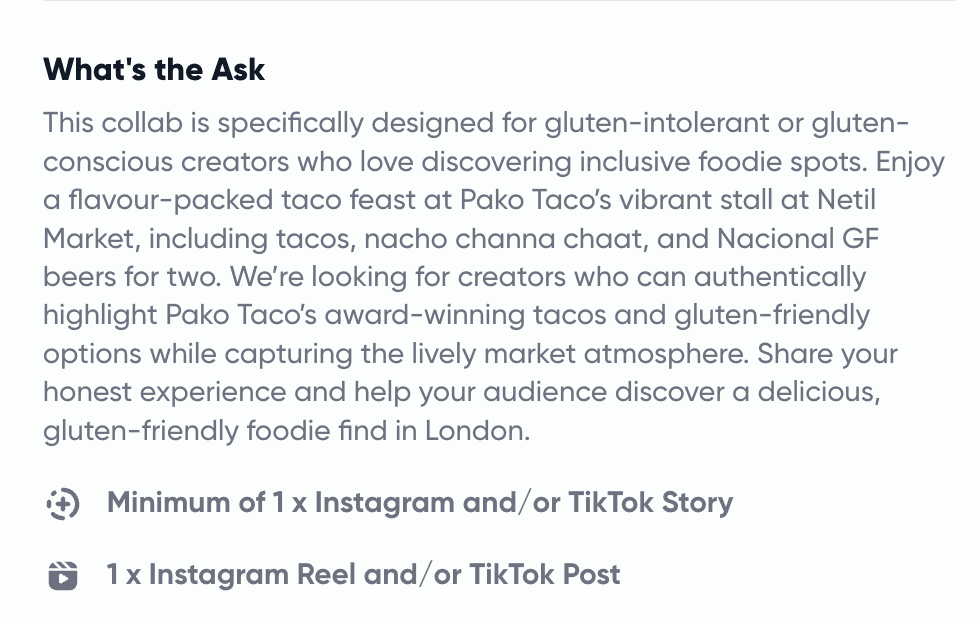
This doesn’t kill gifting. It just means clear briefs + smarter content focus.
What isn’t changing?
Is that you can still post freely on your own channels, work with creators, run paid campaigns and show food in your content. The key difference is simply being more intentional about what moves into paid distribution.
For hospitality brands
Here’s your “don’t overthink it” approach.
✔ Audit where money = reach
Start by auditing where money equals reach by listing anywhere you pay for visibility, whether that’s Meta, TikTok or YouTube ads, boosted posts, Google ads, or promoted listings on delivery or booking platforms. Those are the areas where you’ll want to be most careful.
Lean into experience-led creative
This is where hospitality shines anyway, from interiors and atmosphere to guests enjoying themselves, staff energy, music, drinks, chef moments and that “date night here” feeling. This kind of brand storytelling keeps performance strong while also reducing risk.
Upgrade your creator briefs (this is the big one)
Adding a few simple lines to outline what creators can show, what they should avoid featuring prominently, whether the content may be boosted or used in paid ads, and that it should be submitted for approval when paid use is planned can save a lot of headaches later.
✔ Keep a basic paper trail
If anything is ever questioned, being able to show you had a process in place matters, so it helps to keep records of briefs, creator confirmation, approvals or edits, and the final content. That’s it, you don’t need a legal department, just good organisation.
For creators
This isn’t “no more food content.” It’s just about when content behaves like advertising.
If you’re doing a gifted collab…
It helps to ask upfront whether a post is expected, whether the brand plans to boost or whitelist the content, and if there are any items they’d prefer not to be featured as the hero. Getting that clarity early leads to far fewer “can you change that?” messages later.
If a brand wants to run ads from your content
That counts as paid distribution. It’s important to make sure the content fits the brief, avoid going off-script with close-ups of random dishes, and keep agreements in writing. This protects you too, as platform removals and disputes are never fun.
Where Gifted Social fits into this
This is exactly where structure matters in influencer marketing, and where Gifted Social fits in. We help brands and creators keep things running smoothly by making briefs clearer, separating “organic vibe” content from “paid-safe” content, using approvals when ads are involved, and keeping everything organised so nobody panics later. That way, brands still get reach, creators still get collaborations, and campaigns stay live.

